
The Stone Aesthetic Was Never About Taste
The Stone Aesthetic Was Never About Taste
TL;DR: Stone aesthetics aren't expensive because of materials. Labor costs create the luxury price tag. When installation drops from days to hours through prefabrication, stone looks become accessible to homeowners who wanted them all along.
What You Need to Know
• Stone masonry labor ($15 to $40/sq ft) drives costs, not materials ($50 to $125/ton)
• Traditional installation takes five days. Prefabricated GFRC installs in hours
• Manufactured stone veneer ROI jumped from 102% to 153% in 2024 because accessibility fuels demand
• GFRC technology delivers 12,500 psi strength with one-eighth the installation time
Why Stone Feels Expensive
I spent years in construction watching homeowners walk away from stone projects. Same conversation every time.
"We love the look."
"We don't have the budget."
Everyone assumed stone was inherently premium. High-end material equals high-end price. Standard market logic, right?
The numbers tell you something else.
Labor Builds the Price Premium
Stone masonry labor costs $15 to $40 per square foot. Masons charge $70 to $110 per hour. A skilled mason with a helper takes five days to install what prefabrication handles in hours.
Material cost? $50 to $125 per ton.
Installation? $250 to $2,500 added to your project.
You're not buying stone. You're buying the hours needed to place each piece by hand.
This creates an economic filter. The aesthetic becomes exclusive because the process is labor-intensive. The look gets coded as luxury when the real driver is installation complexity.
Bottom line: Labor variability and time requirements price out most homeowners before materials enter the equation.
Manufactured Stone Veneer Proved Demand Existed
Manufactured stone veneer hit 153% ROI in 2024. Up from 102% the year before.
The market responded to accessibility.
Homeowners wanted the stone aesthetic. Traditional masonry priced them out. Manufacturing removed the labor barrier. Demand surged.
The U.S. stone veneer market grew from $675 million in 2023 to a projected $974 million by 2032. Growth came from making the look available to more people, not from creating new taste preferences.
The insight: Aesthetic demand existed across demographics. Only access was limited.
Economic Barriers Shape Design Choices
Only 2% of houses worldwide get designed by architects. There's a perception that architect-designed homes cost too much and serve only wealthy clients.
This makes good design inaccessible for most segments. People settle for standardized spaces because custom design feels financially out of reach.
Materials follow the same pattern. Stone becomes a luxury marker because pricing strategies position it there. The aesthetic preference exists across income levels. Access doesn't.
I've seen this in the field. Homeowners describe exactly what they want. The vision is clear. The budget kills it before installation starts.
What this means: Price barriers shape what people think they prefer, not the other way around.
How Technology Changes the Economics
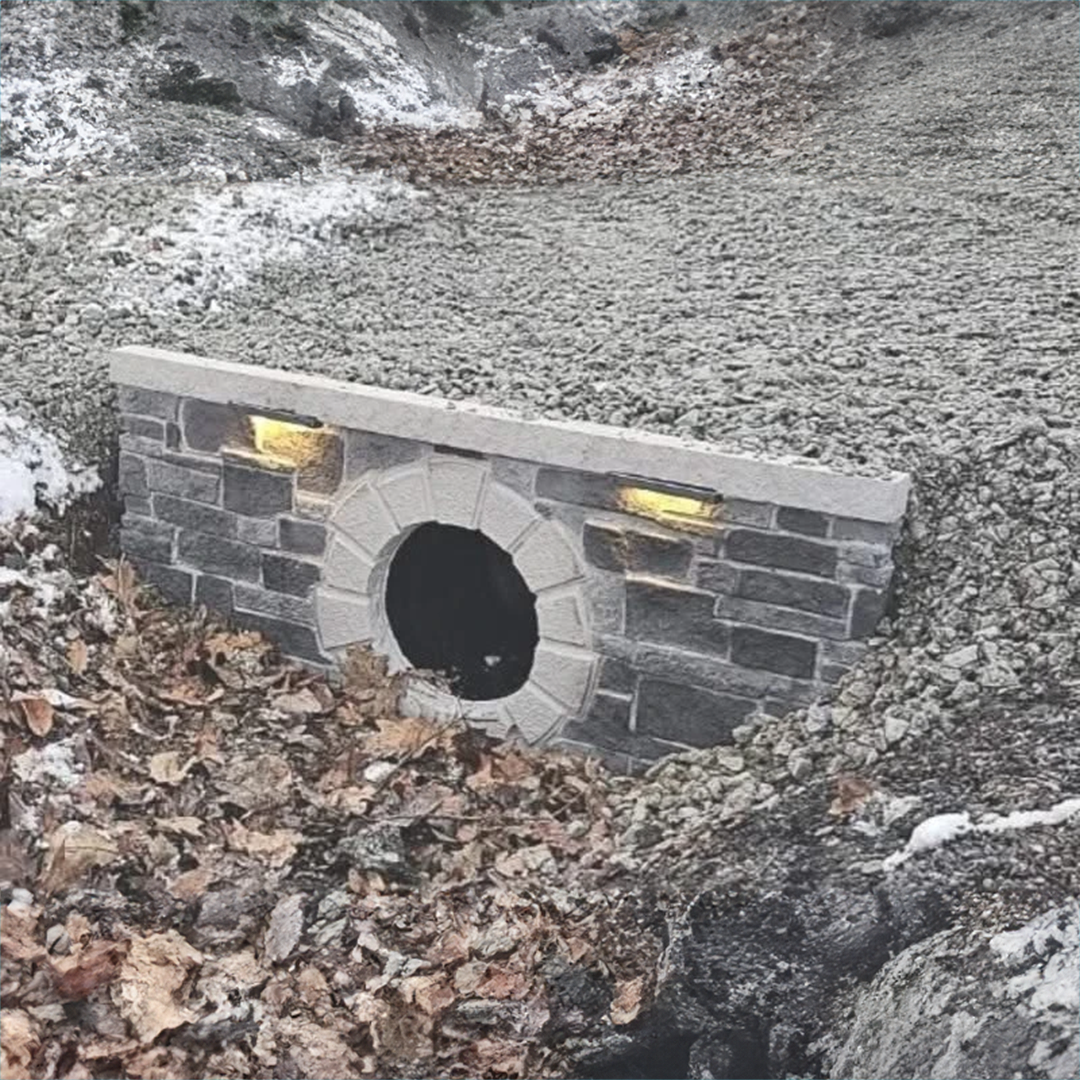
Glass fiber reinforced concrete (GFRC) changed the equation for landscape products. The material delivers 12,500 psi compressive strength and 2,500 psi flexural strength. Four times stronger than regular concrete.
We cast molds from real stone and real wood. The finished product looks indistinguishable from laid-up masonry. Durability? 50-plus years, tested over three years in freeze/thaw cycles.
Installation time drops from days to hours. You need a mixer and a foundation. No skilled mason required. No helper. No five-day timeline eating into contractor budgets.
The aesthetic stays identical. The labor requirement disappears.
For landscape contractors, this solves the labor control problem. Reducing variability in installation time changes project economics completely.
The shift: Same beauty, fraction of the time, predictable labor costs.
Installation Costs Created Artificial Scarcity
Stone aesthetics got gatekept by installation costs, not material scarcity. The preference for natural materials spans demographics. The ability to afford traditional masonry doesn't.
Prefabrication removes that gate. Manufacturing eliminates the labor bottleneck. The look becomes available to customers who wanted it from day one.
This isn't about democratizing luxury. It's about recognizing the luxury designation was a function of process, not material quality.
When you reduce installation time by 87.5%, you change who gets access to the aesthetic. The market for stone was always larger than the market for five-day mason projects at $70 to $110 per hour.
We're matching supply to demand that existed the whole time.
Real talk: The barrier was built by process inefficiency, not material costs or limited appeal.
Common Questions About Stone Aesthetics and Cost
Why does stone cost so much if the material is affordable?
Labor drives the cost. Stone masonry requires skilled masons charging $70 to $110 per hour, with projects taking days to complete. Material costs ($50 to $125/ton) are minimal compared to installation ($250 to $2,500).
What is GFRC and how does it compare to traditional stone?
Glass fiber reinforced concrete (GFRC) is four times stronger than regular concrete (12,500 psi compressive strength). It's cast from real stone molds, looks identical to natural stone, and lasts 50-plus years with superior durability in freeze/thaw conditions.
How much faster is prefabricated stone installation?
Prefabricated GFRC products install in hours instead of days. Traditional masonry takes five days with skilled labor. Prefabrication reduces installation time by 87.5%, eliminating the need for specialized masons.
Does manufactured stone veneer hold value?
Yes. Manufactured stone veneer delivered 153% ROI in 2024, up from 102% in 2023. The U.S. market grew from $675 million (2023) to a projected $974 million (2032) because of strong demand.
Who benefits most from prefabricated stone products?
DIY homeowners, property managers, and landscape contractors benefit most. Homeowners get stone aesthetics at accessible prices. Contractors gain predictable labor costs and faster project completion.
Why don't more people choose stone if they prefer the look?
Economic barriers limit access. Traditional masonry costs price out most homeowners despite widespread aesthetic preference. Prefabrication and manufacturing make stone looks financially accessible.
How does reducing labor time change the market?
Reducing installation from days to hours expands the addressable market. More homeowners enter the market when stone becomes affordable. Demand was always there. Process efficiency unlocks it.
Are prefabricated products as durable as traditional stone?
GFRC products are more durable. They're immune to freeze/thaw cycles, deliver higher compressive and flexural strength than standard concrete, and last 50-plus years. They've been tested for over three years in real-world conditions.
Key Takeaways
• Stone materials are affordable ($50 to $125/ton), but labor costs ($15 to $40/sq ft) create the luxury price tag
• Installation complexity, not material scarcity, limits access to stone aesthetics across income levels
• Manufactured stone veneer ROI increased 50% in one year (102% to 153%) when accessibility improved
• GFRC technology delivers superior strength (12,500 psi) with 87.5% less installation time
• Prefabrication eliminates the five-day mason timeline, making stone looks available to customers priced out by traditional methods
• Economic barriers shape design preferences more than inherent taste
• The stone market was always larger than traditional masonry could serve
